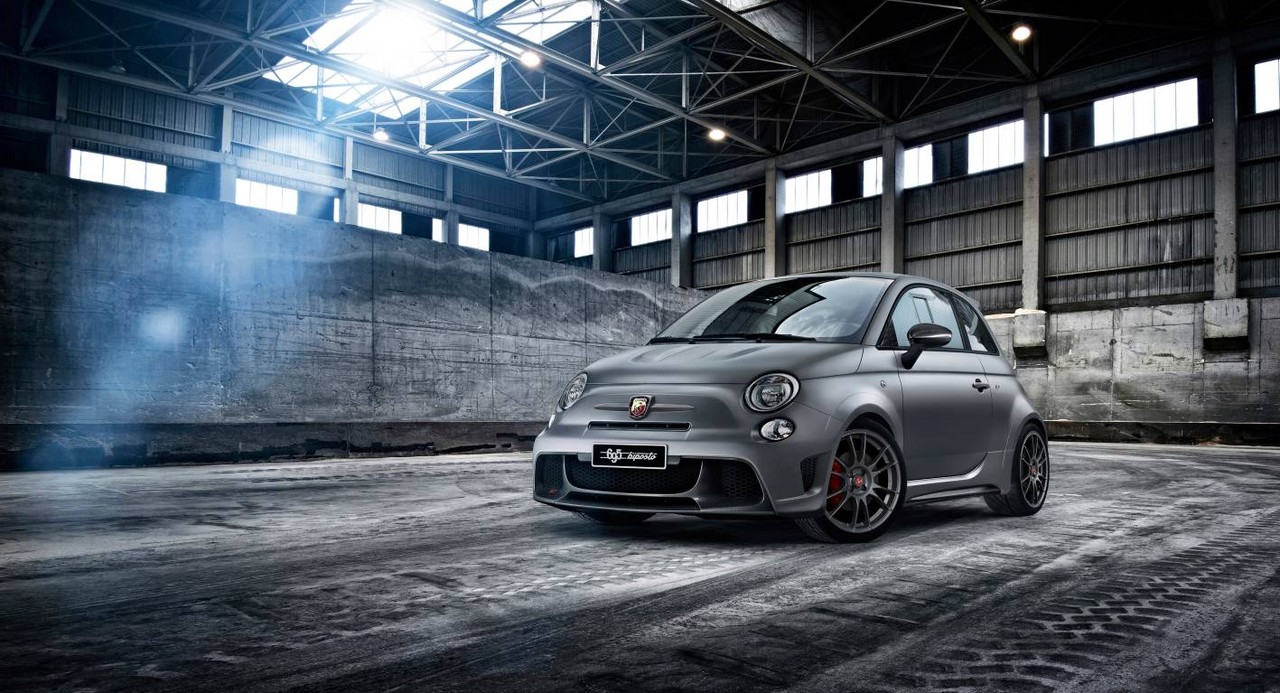
Overview Available by special order from October 2014, the Abarth 695 Biposto was a two-seat, three-door hatchback. Manufactured in Tychy, Poland, the front-wheel drive Abarth 695 Biposto was powered by a 1.4-litre turbocharged petrol engine that was mated to a Bacci Romano H-pattern transmission. Drivetrain The 1.4-litre ‘T-Jet’ four cylinder petrol engine had a cast […]
Author: Stephen
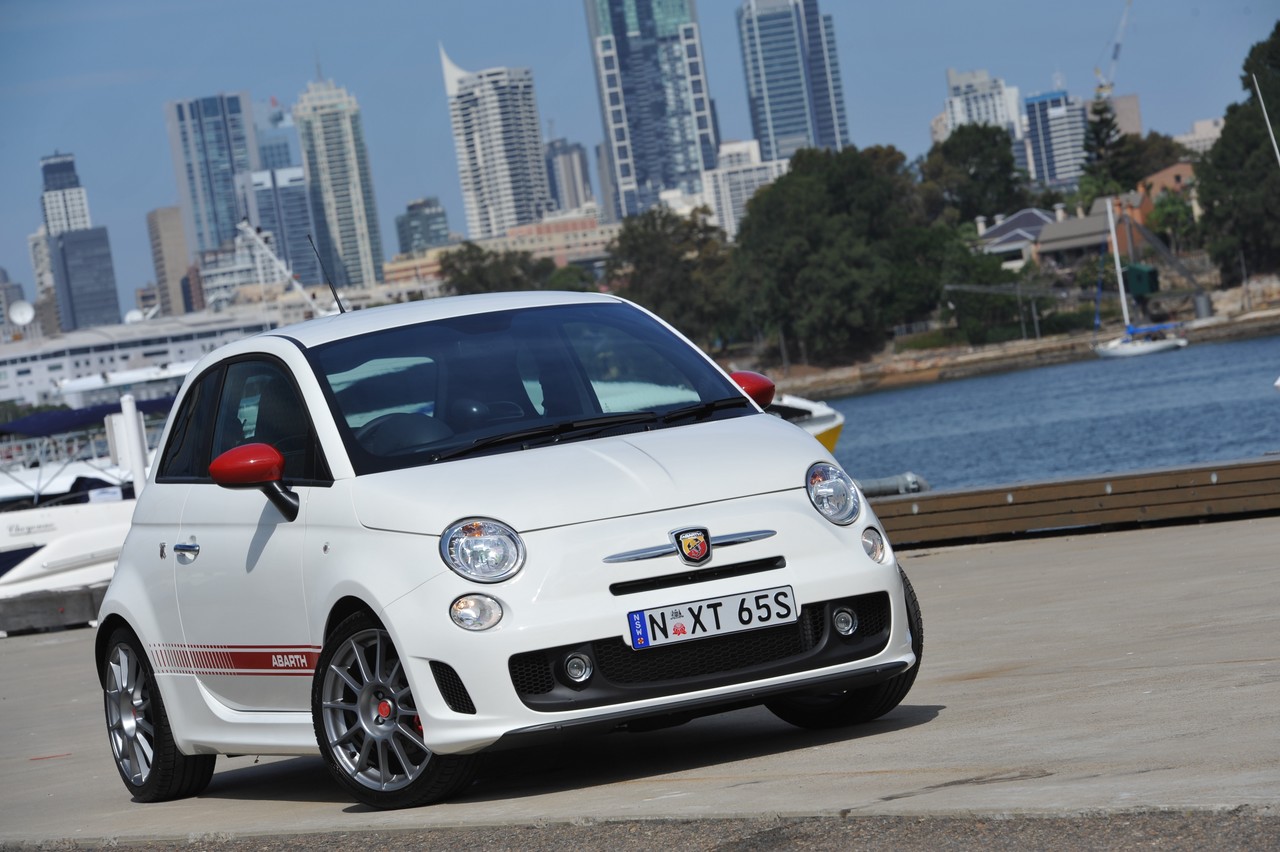
Review: Abarth 500 Esseesse (2011-14)
Overview Released in March 2011, the Abarth 500 Esseesse was a light, three-door hatchback. Although based on the Fiat 500 , the 500 Esseesse was powered by a more powerful 1.4-litre turbocharged four-cylinder petrol engine which was mated to a five-speed manual transmission. The Abarth 500 Esseesse was also fitted with a Torque Transfer Control […]
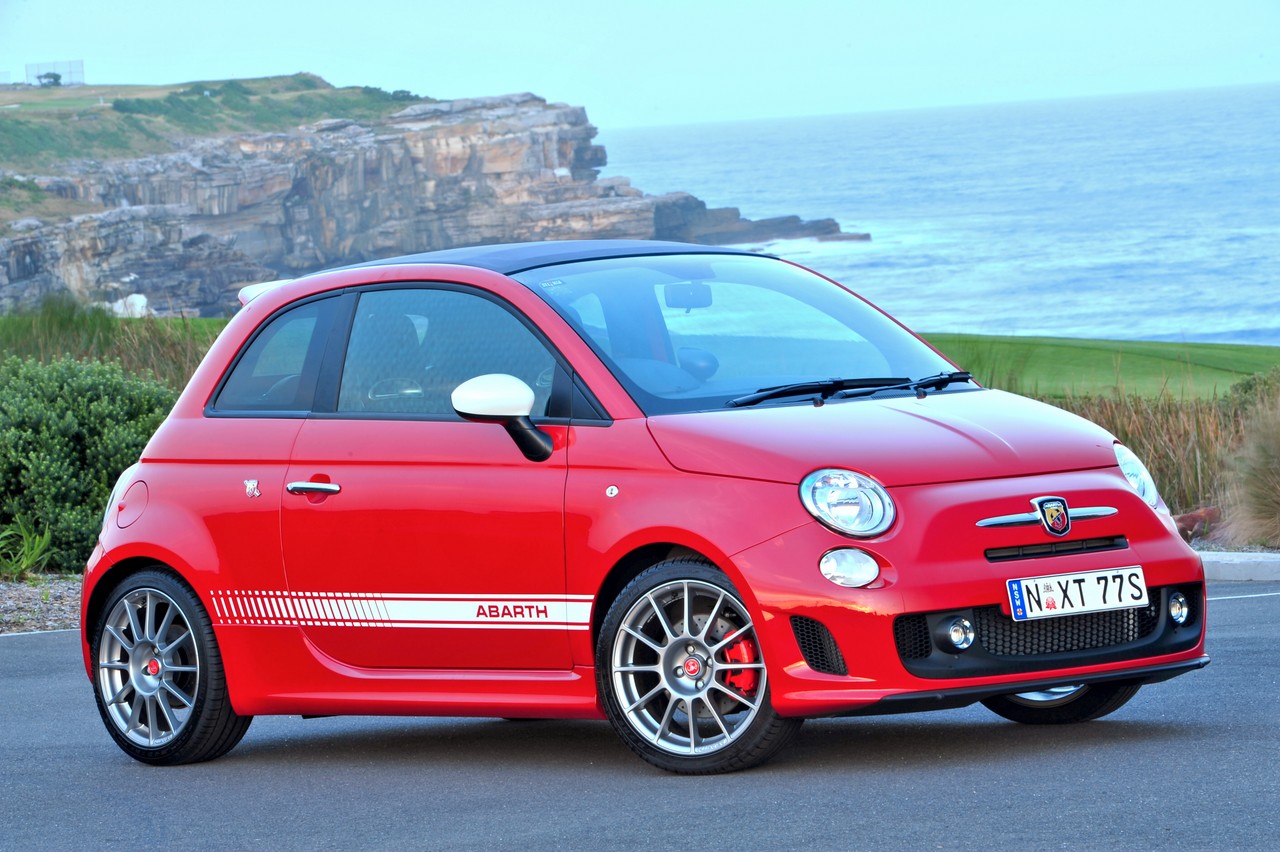
Review: Abarth 500C Esseesse (2011-14)
Overview Released in November 2011, the Abarth 500C Esseesse was a two-door, four-seat convertible with a retractable soft-top roof. Based on the Fiat 500C , the 500C Esseesse was powered by a 1.4-litre turbocharged four-cylinder petrol engine mated to a semi-automatic transmission (or clutchless sequential manual) with fully-automated and paddle shift modes. Abarth was founded […]

Review: Abarth 124 Spider (2016-19)
Overview Expected to be released in Australia in late 2016, the Abarth 124 Spider is a two-door convertible with a soft-top roof. To be manufactured at Mazda’s Hiroshima plant in Japan alongside the related Mazda ND MX-5 , the rear-wheel drive Abarth 124 Spider is powered by a 1.4-litre turbocharged petrol engine that is mated […]
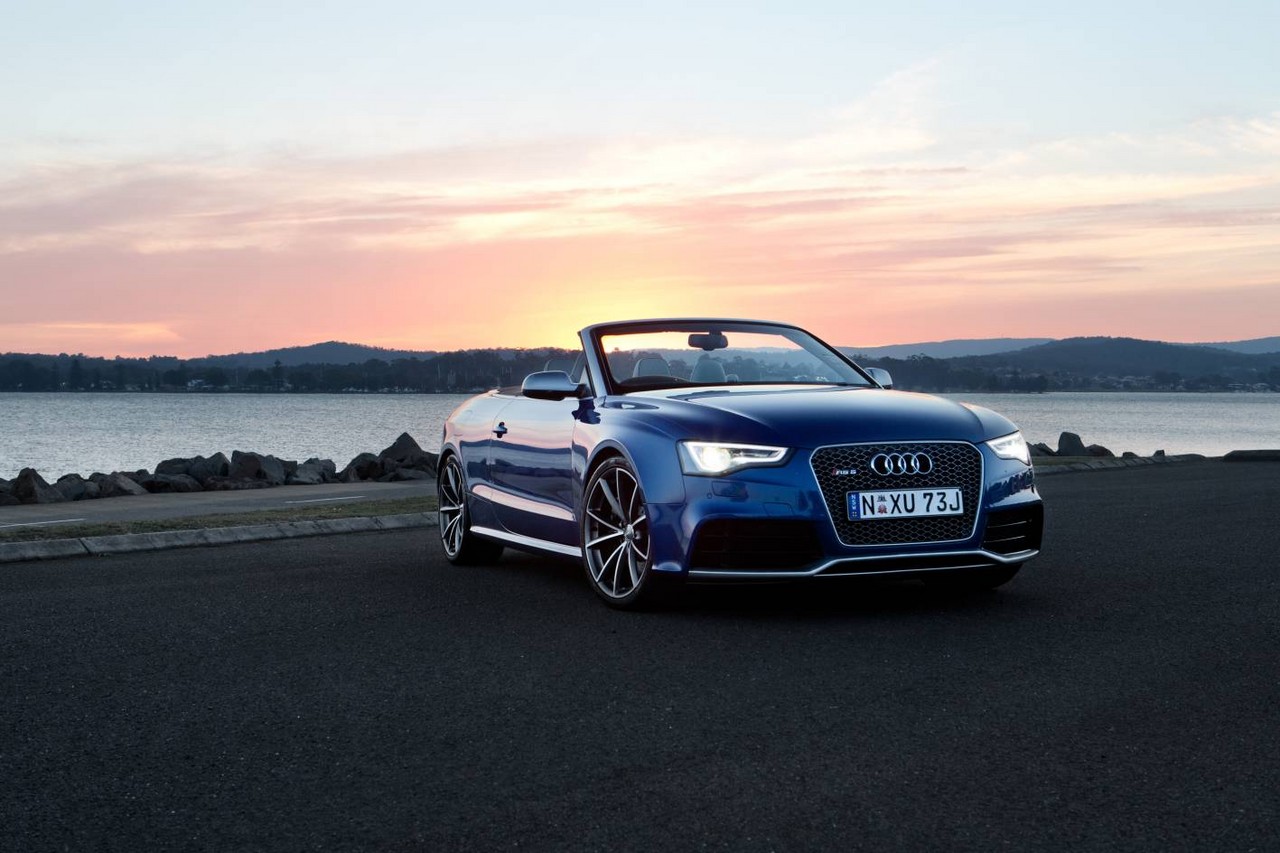
Review: Audi 8F7 RS5 Cabriolet (2013-16)
Overview Released in October 2013, the Audi 8F7 RS5 Cabriolet was a four-seat performance convertible. Manufactured in Neckarsulm, Germany, the Audi RS5 Cabriolet was powered by a 4.2-litre V8 petrol engine which drove all four-wheels via a seven-speed double clutch transmission (Audi’s ‘S-Tronic’) which had steering wheel gearshift paddles for sequential shifts. 4.2 FSI V8: […]
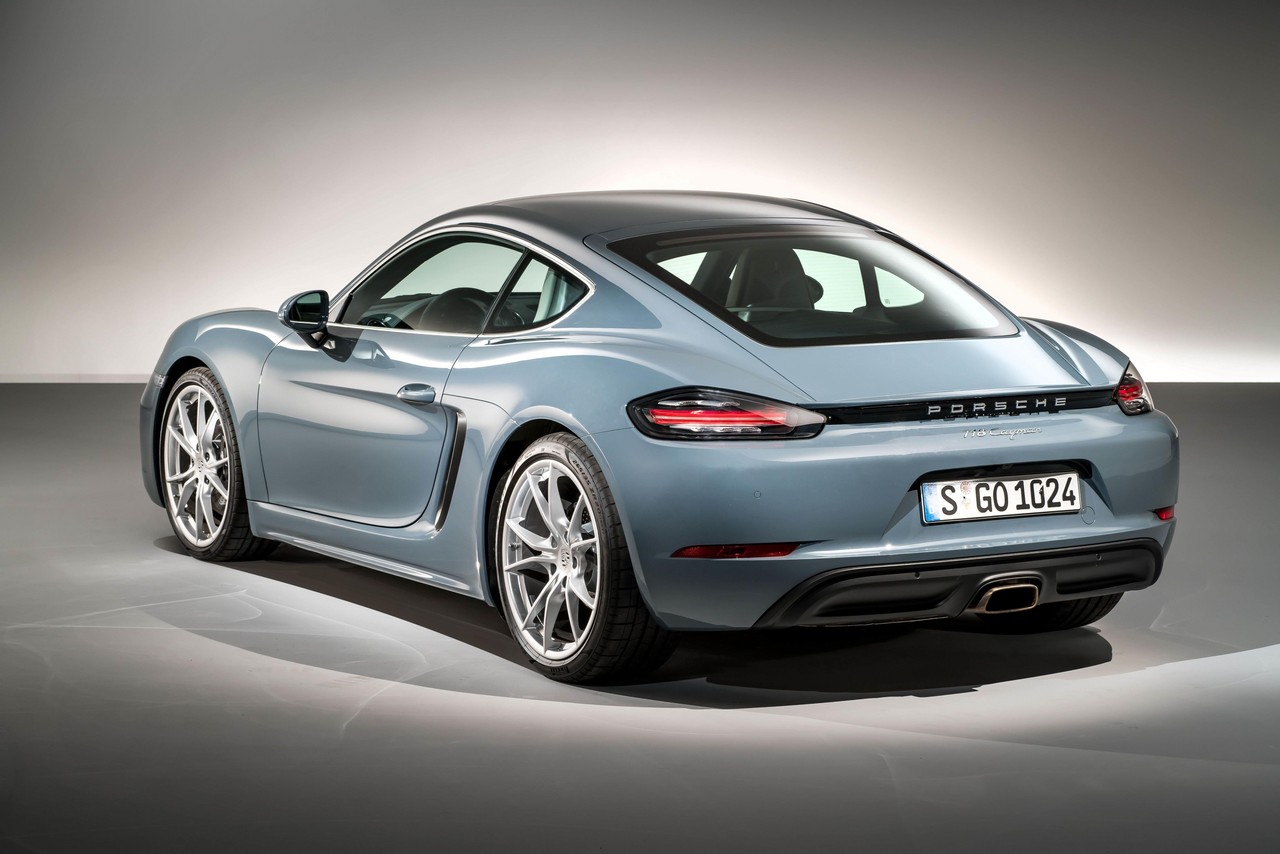
Images: Porsche 982 718 Cayman (2016-25)
Images: Porsche 982 718 Cayman (2016-25) Released in Australia in late 2016, the Porsche 982 718 Cayman was a mid-engined, two-door coupe. Manufactured in Stuttgart, Germany, the rear-wheel drive 718 Cayman and Cayman S were powered by 2.0- and 2.5-litre horizontally-opposed petrol engines, respectively. Beyond this, the Porsche 718 Cayman GTS was available to order […]
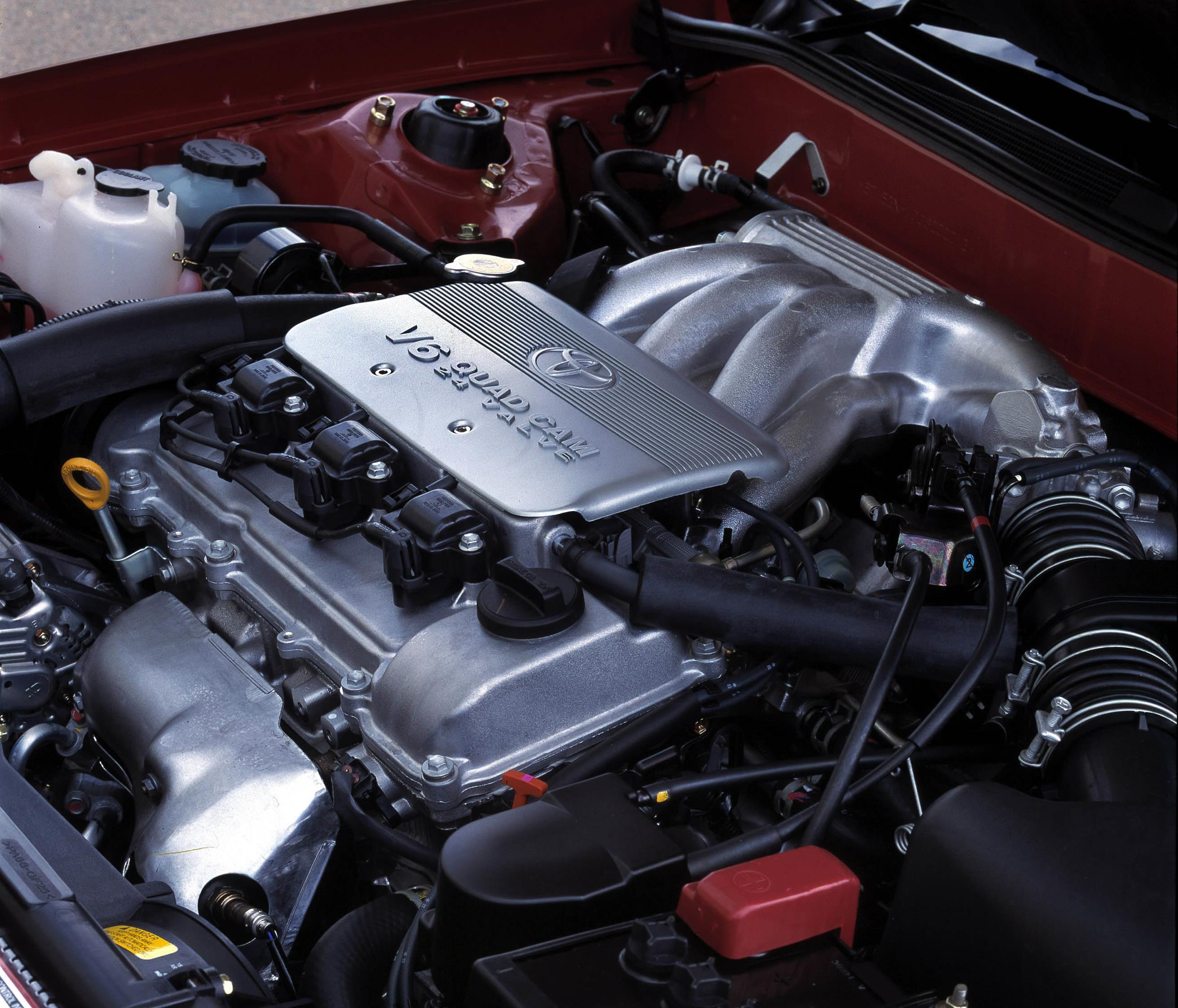
1MZ-FE Toyota engine
Introduction Toyota’s 1MZ-FE was a 3.0-litre petrol engine with a 60-degree ‘V’ angle. With its aluminium alloy cylinder block, the 1MZ-FE engine had a service weight of 151 kg and replaced Toyota’s 3VZ-FE engine. The 1MZ-FE was a non-interference engine. In Australia, the 1MZ-FE engine was first introduced in the Lexus XV20 ES 300 and […]
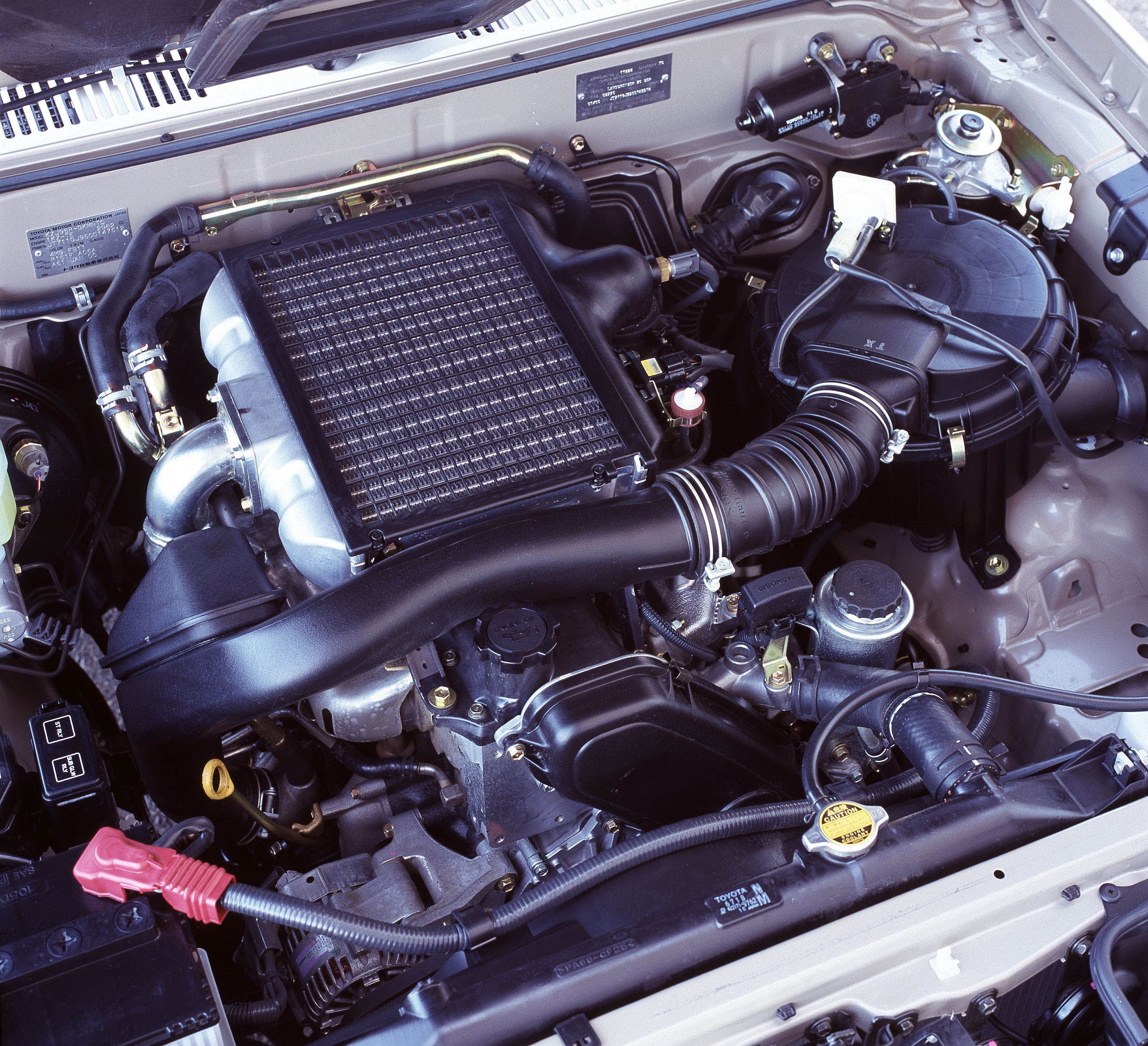
1KZ-TE Toyota engine
Introduction First introduced in 1993, Toyota’s 1KZ-TE was a 3.0-litre turbo-diesel four-cylinder engine. Key features of the 1KZ-TE included its alloy cast iron block, aluminium alloy cylinder head, single overhead camshaft, two valves per cylinder, drive-by-wire electronic throttle control and indirect injection. Furthermore, the 1KZ-TE engine had a 4400 rpm redline. For Australia, the 1KZ-TE […]
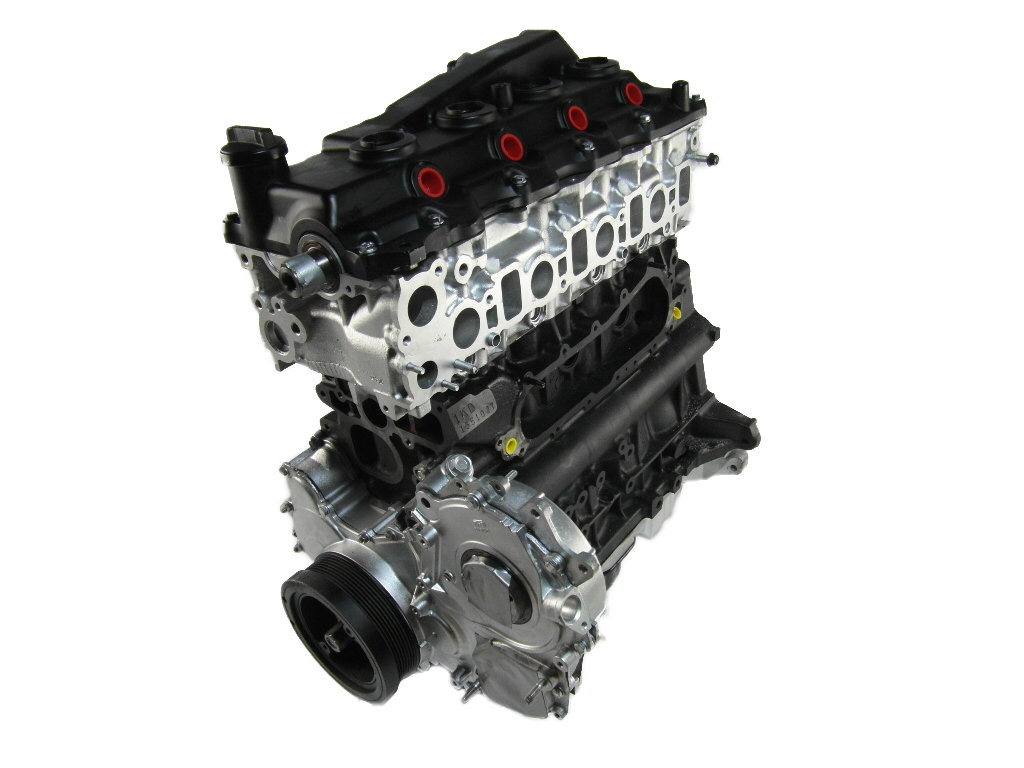
1KD-FTV Toyota engine
Introduction Toyota’s 1KD-FTV was a 3.0-litre four-cylinder turbo diesel engine. A member of Toyota’s ‘KD’ engine family, which included the related 2KD-FTV, key features of the 1KD-FTV included its: Cast iron block; Aluminium alloy cylinder head; Variable nozzle vane type turbocharger; Intercooler; Double overhead camshafts; Four valves per cylinder; and, Compression ratio of 17.9:1. In […]
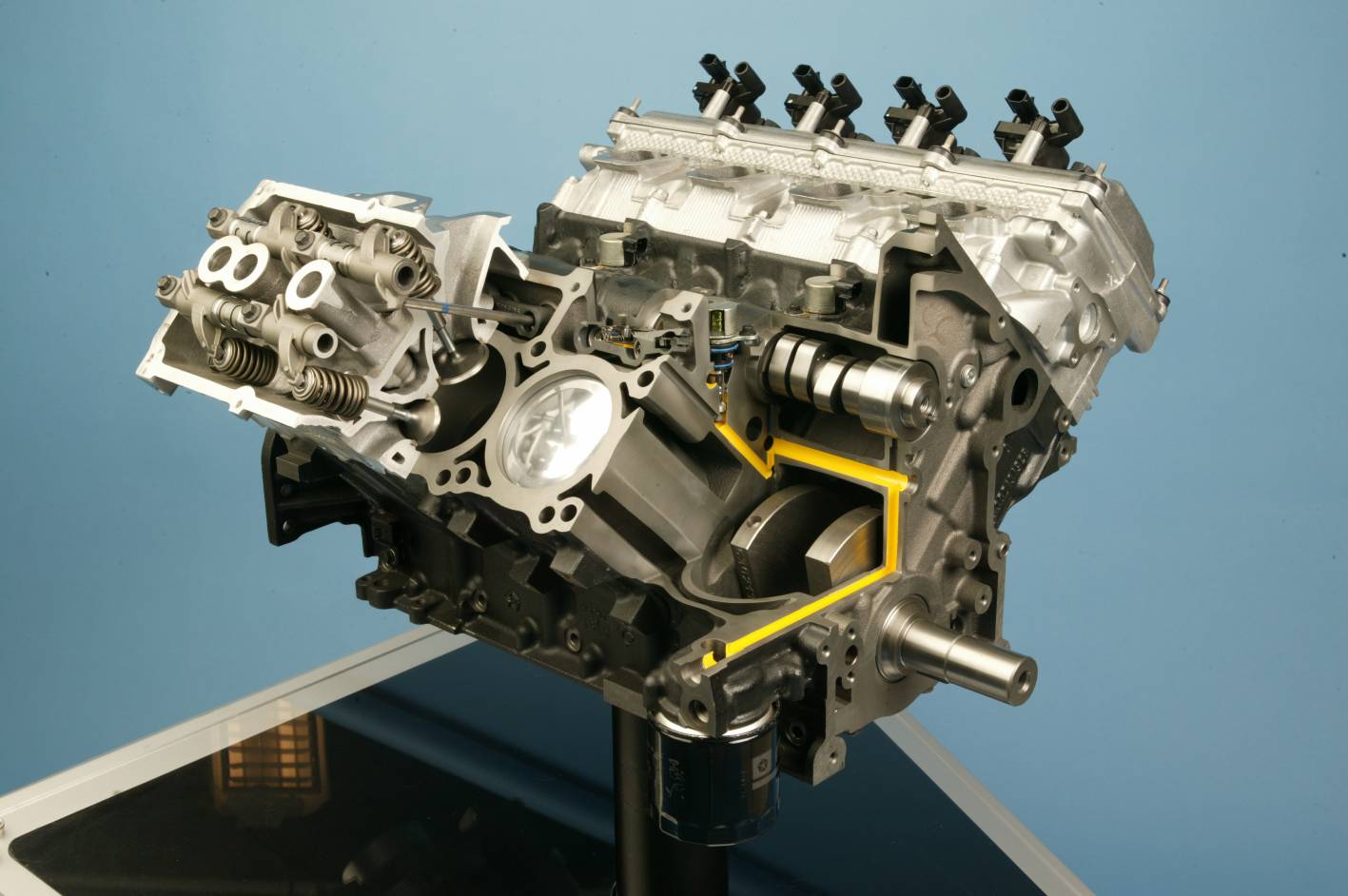
1LR-GUE Lexus LFA engine
Introduction The 1LR-GUE was a 4.8-litre V10 petrol engine that powered the Lexus LFA. Co-developed with Yamaha, the 1LR-GUE produced peak outputs of 412 kW at 8700 rpm and 480 Nm at 7000 rpm. Furthermore, maximum engine speed was 9000 rpm and 90 per cent of peak torque was available from 3700 rpm to 9000 […]